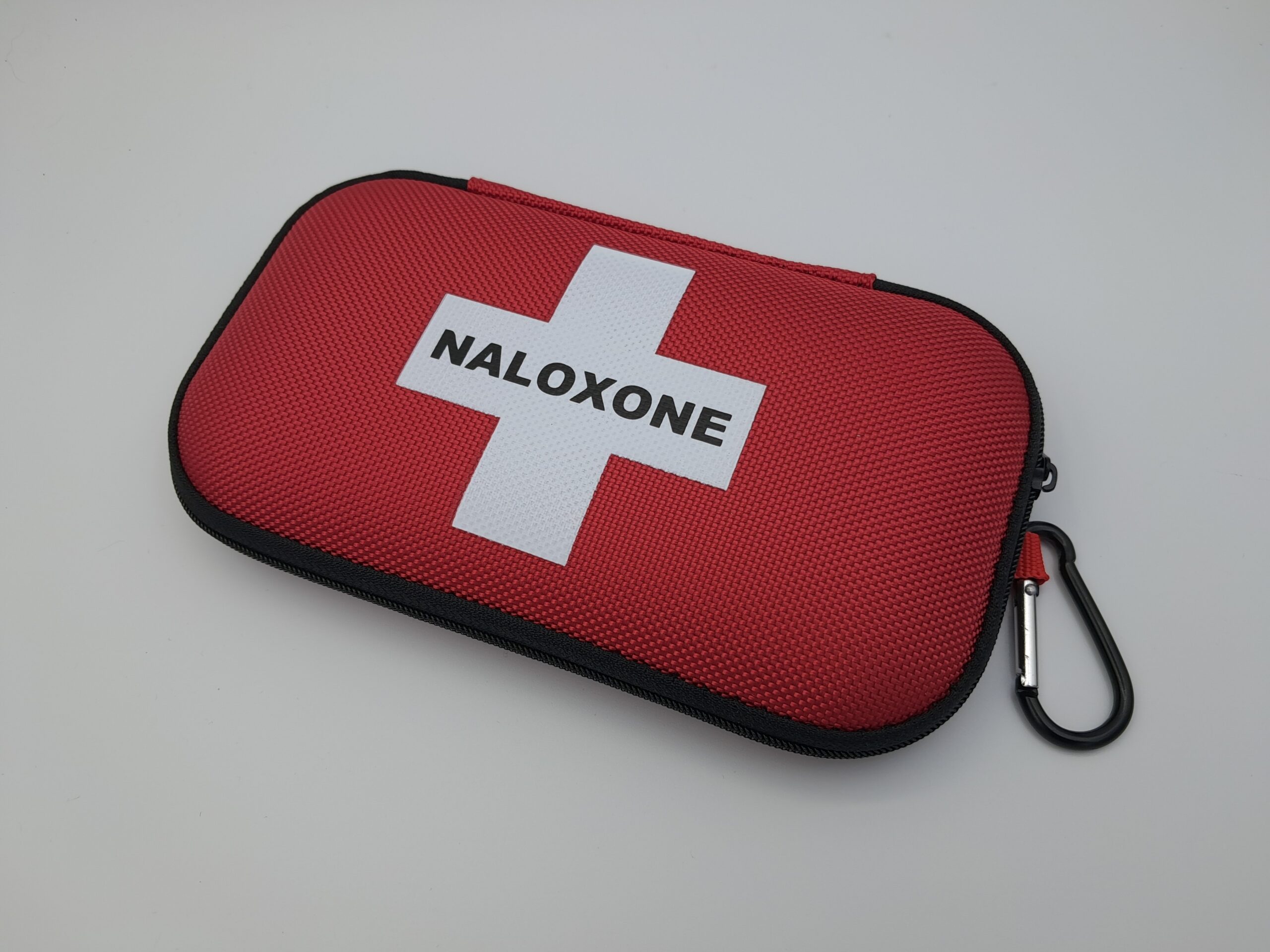
Genuine advances in the treatment of drug addiction are rare, partly due to the lack of funding available for research focused on novel treatments. The advent of Naloxone to reverse opiate overdoses was a game changer in the field of addiction. Since the 1990s, Naloxone has been available for those at elevated risk of overdose as a take-home medicine. Unfortunately, the uptake of this treatment, particularly in the United Kingdom, has been slow, although recently this has changed as the treatment and training on how to use the medication have become more widespread.
There is a sound evidence base supporting the use of Naloxone; most of this evidence has relied on self-reported information about individual overdoses and whether Naloxone was used to reverse the overdose successfully or not.
This blog explores research by Metrebian and colleagues published in 2026, which not only investigated the use of Naloxone, but also followed up participants over six months to gain greater detail about how and when the medication was used.
Methods
This prospective cohort study drew participants from Sweden, England, Scotland and Wales. Participants were recruited from existing treatment or harm reduction programmes between 2021 and 2024. Take home Naloxone in injectable and nasal spray formats was given to people in treatment, and people using opioids who were not currently in treatment, along with training on administration of the medicine and basic life support in the event of an overdose.
A £5 shopping voucher was used to encourage individuals to participate in the research, later increased to £10, with further reimbursement for follow-up interviews. The researchers sent text messages to those enrolled, reminding them to contact the research team if they had witnessed an overdose. If they had witnessed an overdose, the researchers interviewed the participant to glean more information about the overdose and whether Naloxone had been used.
Results
1,028 people were enrolled in the research from twenty-two treatment programmes across the four countries; 3 people were subsequently excluded because of missing consent forms. 594 of the remaining 1,025 were successfully followed up at six months, or had completed a witnessed-overdose interview before the six-month interview.
Of these, 160 people had witnessed a total of 278 overdoses. 128 (83%) of the 160 individuals reported that Naloxone had been used in the overdose event they witnessed. Of the 151 participants who knew the outcome, 143 (95%) reported that the person was still alive when interviewed; unfortunately, there were 7 fatalities. Two participants reported the same fatal overdose.

Conclusions
The results are encouraging, with naloxone administered in most witnessed overdose events and most reported outcomes being survival. The study adds to the evidence that take-home Naloxone is a life-saving intervention that can be used by non-medically trained people who use opioids, including those in and out of drug treatment programmes. It is important to note that those not in treatment but engaged in harm reduction were more likely to witness an overdose, adding to the need for take-home Naloxone kits to be made available to this group.

Strengths and limitations
The clear strength of this research is the fact that participants were followed up and interviewed in a timely way; this should help reduce, although not eliminate, recall bias associated with self-reported methods.
The obvious limitation, as with many studies involving this population, is participant attrition or those lost to follow-up. Compared to other studies, a 58% follow-up rate is impressive. Nevertheless, we are left wondering about the 42% that couldn’t be contacted at the six-month point. Were they more likely to have witnessed an unsuccessful intervention or a fatality? There could have been other negative experiences that prevented participants from staying in touch with the researchers; we simply don’t know.
The study also relied on participants’ reports of overdose events and outcomes, and there was no comparison group, so the findings cannot establish a causal estimate of naloxone’s effectiveness. Credit has to be given to the research team for their persistence and ingenuity in maximising the follow-up rate.

Implications for practice
This research supports the case for those in contact with specialist drug treatment and harm reduction services to be supplied with take home Naloxone kits and training, which enables them to use the medication effectively. People who use opioids but are not currently in treatment were more likely to witness an overdose and are ideally placed to intervene. When given the medication and training, this study provides evidence that these individuals can respond to an overdose and administer naloxone.
Encouraging and enabling people in treatment to carry the kits and know how to use them must be a priority for all those involved in drug treatment. We must acknowledge the success of Naloxone and the potential it provides to save lives. This is perhaps the single most effective way we have of reversing the ever-rising trend in fatalities recorded year on year attributed to drug use. Scotland has the highest rate of drug-related deaths in Europe, and the UK as a whole is among the highest, an absolute scandal given we have the knowledge and ability to intervene and prevent fatal overdoses. The study also suggests that training should reinforce calling emergency services: only 42.5% of witnesses reported that an ambulance was called.
I can only conclude that we lack the collective will to treat this issue with the urgency it demands. We can’t just blame politicians for this; we are all complicit in not demanding change. Sadly, this is a group of people who are all too often written off as beyond help or, worse, not deserving of help. There remains a need for sustained attention to this issue across health services, policy and wider society.

Statement of interest
Ian Hamilton is an Associate Professor in addiction and had no involvement in the research reviewed in the blog.
Editor
The blog was edited by Dr Dafni Katsampa.
Links
Primary paper
Nicola Metrebian, Teodora Dascal, Clare Mackie, Rose Tinch-Taylor, Ben Carter, Joanne Neale, Mariana Gonzalez Utrilla, Ed Day, Joar Guterstam, Kirsten Horsburgh, Martin Kåberg, Mike Kelleher, Soraya Mayet, Josie Smith, Desiree Eide, Elin Holmén, Rebecca McDonald, Stephen Parkin, Henrik Thiesen & John Strang (2026). Overdose reversal through peer intervention: Findings from the naloxone prospective outcome research study (NalPORS) on the effectiveness of overdose response by people who use opioids in the United Kingdom and Sweden. Addiction.
Other references
Hamilton, I. Opioid agonist treatment associated with 50% lower risk of mortality, but political epiphany still needed to reduce drug-related deaths. Mental Elf, 18th August 2021.
McPhee, I. ‘Only junkies’: how stigma and discrimination link to rise in drug deaths among Scotland’s poor. The Conversation, 22nd February 2021.